| National Economic Impact Study | |
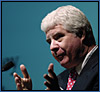 Jay Hickey - President, American Horse Council Jay Hickey - President, American Horse Council | |
Ogden Mills Phipps: A business that thrives is one that adapts well to change. There have been many changes in the legislative area this year, and Jay Hickey, Greg Avioli and Greg Means are going to be with us talking about these important items. Jay, would you be first? Jay Hickey: Good morning, everyone, and I want to thank Dinny for having me here and thank him for the opportunity to address The Jockey Club Round Table again. In late June, the American Horse Council released its study on The Economic Impact of the Horse Industry on the United States at a press conference in Washington, D.C., complete with members of Congress and horses in front of the White House. Deloitte Consulting did the study, and it was completed with major funding from The Jockey Club, NTRA-Breeders' Cup, the American Quarter Horse Association, Keeneland and the organizations listed on the slide. We thank all of these associations for their support. We also thank the many individuals, some in this room, who contributed to the study. We couldn't have done it without that economic support. A steering committee was formed to oversee the project and included representatives from The Jockey Club, NTRA, AQHA and the U.S. Equestrian Federation. And I can tell you that they did much more work than they thought they would do, and we thank them for that. This was a very large undertaking. Deloitte began with membership lists from 80 horse organizations totaling more than 1 million individuals. They "cleansed and validated" the lists, invited 400,000 owners and service providers to participate, and received 28,000 surveys filed electronically. That is a 400% increase over the number of participants in our 1996 study. In addition, Deloitte sent surveys to nearly every racetrack and off-track betting parlor, hundreds of large breeding farms and training facilities, and over 4,500 horse shows. The result is the most comprehensive economic study ever done on the horse industry. It describes an industry that involves agriculture, sport, gambling, entertainment, recreation, and is all built on the agri-business of breeding and training horses. Sometimes even within the industry, many of us don't always recognize the other segments of the industry and the horse world and how they are interrelated. This study shows how important each segment is and how each compliments the other. For example, more Thoroughbreds, or Thoroughbred crosses, are used in showing, recreation and other activities than in racing. These other sectors provide markets for Thoroughbreds and second or third careers for our race horses. They are a source of new owners and new fans for the sport. And they are very important in providing added support to the many legislative initiatives that we are faced with in Washington, D.C., some of which you will hear about shortly. The study shows that the horse industry, in all its segments, including racing, showing, recreation and other activities:
These are just some of the findings of the study. It also went into 15 "breakout states." The industries in those states provided additional funding for this focus, and we know that the information will be very helpful as they deal with their state legislatures and the media. A new part of the study provided by Deloitte was an estimate of the horse population in each of the 50 states. Texas leads with 1 million, California is second with 700,000 and Florida third with 500,000. But, importantly, 45 out of the 50 states have at least 20,000 horses. This study was undertaken to provide fresh statistics. It will be a great asset in educating the public, the media, the press, and federal, state and local officials, about how important the horse industry is. This is just the type of information, particularly the economic impact and the jobs, that gets the attention of elected officials. Perhaps Senator Mitch McConnell, a great supporter and a great friend of the horse industry, said it best when he noted, "This study confirms what many in Congress already knew: That the American horse industry is a vital contributor to the U.S. economy while bringing pleasure and recreation to millions of people." And now for a commercial break, if anyone wants a copy of the national study, complete with colored pictures this time, just give a call to the American Horse Council. We'd be pleased to get you one. | |
Mostrando entradas con la etiqueta iNFLUENZA. Mostrar todas las entradas
Mostrando entradas con la etiqueta iNFLUENZA. Mostrar todas las entradas
lunes, 7 de noviembre de 2011
USA, National Economic Impact Study Horse Industry


martes, 24 de febrero de 2009
Caballos de hípicas riegan gripe equina
el nuevo diario
Tania Sirias | tsirias@elnuevodiario.com.ni
“Antes de esto no había precedente de la epidemia de Influenza Equina (Gripe Equina) en el país, la cual afectó a caballos de carretoneros, cocheros, hipódromo, hípicas y de fincas de todo el país, registrándose la enfermedad en 14 departamentos”, señaló el veterinario.
En un esfuerzo conjunto, el Ministerio Agropecuario y Forestal, Magfor, y la Universidad de Ciencias Comerciales, UCC, realizaron una muestra enviado a los Estados Unidos, donde confirmaron la causa de la epidemia era el Virus de Influenza Equina tipo A2.
La UCC brindó atención veterinaria a más de 5,000 equinos en todo el país. “Si bien consideramos que el pico de gravedad de la epidemia ha mermado, en los últimos diez días han aparecido focos en Nandasmo, Nandarola, San Rafael, Nueva Guinea, San Carlos, El Almendro, San Miguelito, Malpaisillo, La Paz Centro, y en algunos barrios de Managua”, dijo Rimbaud.
También que se realice a los equinos una revacunación a los 21 días y refuerzo anual, a fin de que puedan circular por todo el país, y cuando participen en un evento, que los dueños presenten el correspondiente certificado librado por un veterinario colegiado.
“De no hacer esto, estaremos en forma permanente expuestos a la aparición de focos de Influenza Equina, mermando la calidad y fuerza de trabajo de los equinos, tan importante en la fuerza laboral y para las tradiciones culturales del país”, advirtió Rimbaud.
Tania Sirias | tsirias@elnuevodiario.com.ni
Por primera vez en nuestro país se detecta la gripe equina, ocasionada por un serotipo A2, la cual se presume fue contagiada por los caballos de las hípicas, afirmó el doctor Enrique Rimbaud, Decano de la Facultad de Ciencias Agrarias de la Universidad de Ciencias Comerciales.
“Como es una enfermedad contagiosa, los que trasladan esta enfermedad distribuyéndola por todo el país son los caballos de las hípicas, y de las exposiciones, por lo que debemos tomar medidas”, señaló Rimbaud.
La gripe equina es capaz de llevar a la muerte a los caballos, y los que no mueren pierden hasta el 30 por ciento de su capacidad respiratoria, y, por ende, su rendimiento. Según registro del Ministerio de Transporte e Infraestructura, MTI, existen más de 20 mil caballos carretoneros en el país.
Epidemia se desató en diciembre
Rimbaud hizo de conocimiento público esta enfermedad equina, la cual se desató en diciembre del año pasado y continuó hasta el febrero de este año.“Antes de esto no había precedente de la epidemia de Influenza Equina (Gripe Equina) en el país, la cual afectó a caballos de carretoneros, cocheros, hipódromo, hípicas y de fincas de todo el país, registrándose la enfermedad en 14 departamentos”, señaló el veterinario.
En un esfuerzo conjunto, el Ministerio Agropecuario y Forestal, Magfor, y la Universidad de Ciencias Comerciales, UCC, realizaron una muestra enviado a los Estados Unidos, donde confirmaron la causa de la epidemia era el Virus de Influenza Equina tipo A2.
La UCC brindó atención veterinaria a más de 5,000 equinos en todo el país. “Si bien consideramos que el pico de gravedad de la epidemia ha mermado, en los últimos diez días han aparecido focos en Nandasmo, Nandarola, San Rafael, Nueva Guinea, San Carlos, El Almendro, San Miguelito, Malpaisillo, La Paz Centro, y en algunos barrios de Managua”, dijo Rimbaud.
Caballos deben ser vacunados
Además, solicitó al Magfor que de forma urgente publique una ordenanza donde se exija a los dueños de los caballos de hípicas, de exposición y del hipódromo de Granada, la obligatoriedad de vacunar a los animales contra la Influenza Equina.También que se realice a los equinos una revacunación a los 21 días y refuerzo anual, a fin de que puedan circular por todo el país, y cuando participen en un evento, que los dueños presenten el correspondiente certificado librado por un veterinario colegiado.
“De no hacer esto, estaremos en forma permanente expuestos a la aparición de focos de Influenza Equina, mermando la calidad y fuerza de trabajo de los equinos, tan importante en la fuerza laboral y para las tradiciones culturales del país”, advirtió Rimbaud.
martes, 27 de enero de 2009
Nicaragua, Caballos en peligro
La Prensa (Nicaragua) (Suscripción) - Nicaragua
|


Suscribirse a:
Entradas (Atom)